 Standing on BusinessTable of Contents
 A Digital Exhibition · From The Black Canon
Four artists. Four refusals. Rather than submit, they chose conviction.
David Ellis & Dr. Kelli Morgan
Curatorial Statement
Standing on Business examines the lives of four Black American entertainers — Billie Holiday, Muhammad Ali, Esther Rolle, and Spike Lee — who, at decisive moments in their careers, refused to betray their values in exchange for safety, approval, or profit. Working across music, sports, television, and film, each confronted powerful institutions that sought to discipline Black expression, contain Black political speech, or reward the performance of racial stereotype. Rather than submit, they chose conviction.

From The Black Canon’s Archive
The materials featured throughout Standing on Business come from The Black Canon, one of the largest archival collections of African American film and memorabilia in the world. These posters, records, magazines, and books are not merely supporting documents. They are cultural evidence — objects that reveal how Black public figures were circulated, debated, celebrated, commercialized, and contested in their own time. In this exhibition, they help illuminate the stakes surrounding four artists and entertainers who chose integrity over accommodation, and demonstrate how acts of refusal can become lasting forms of cultural and political courage.
Chapter 01 — Singing Against Terror
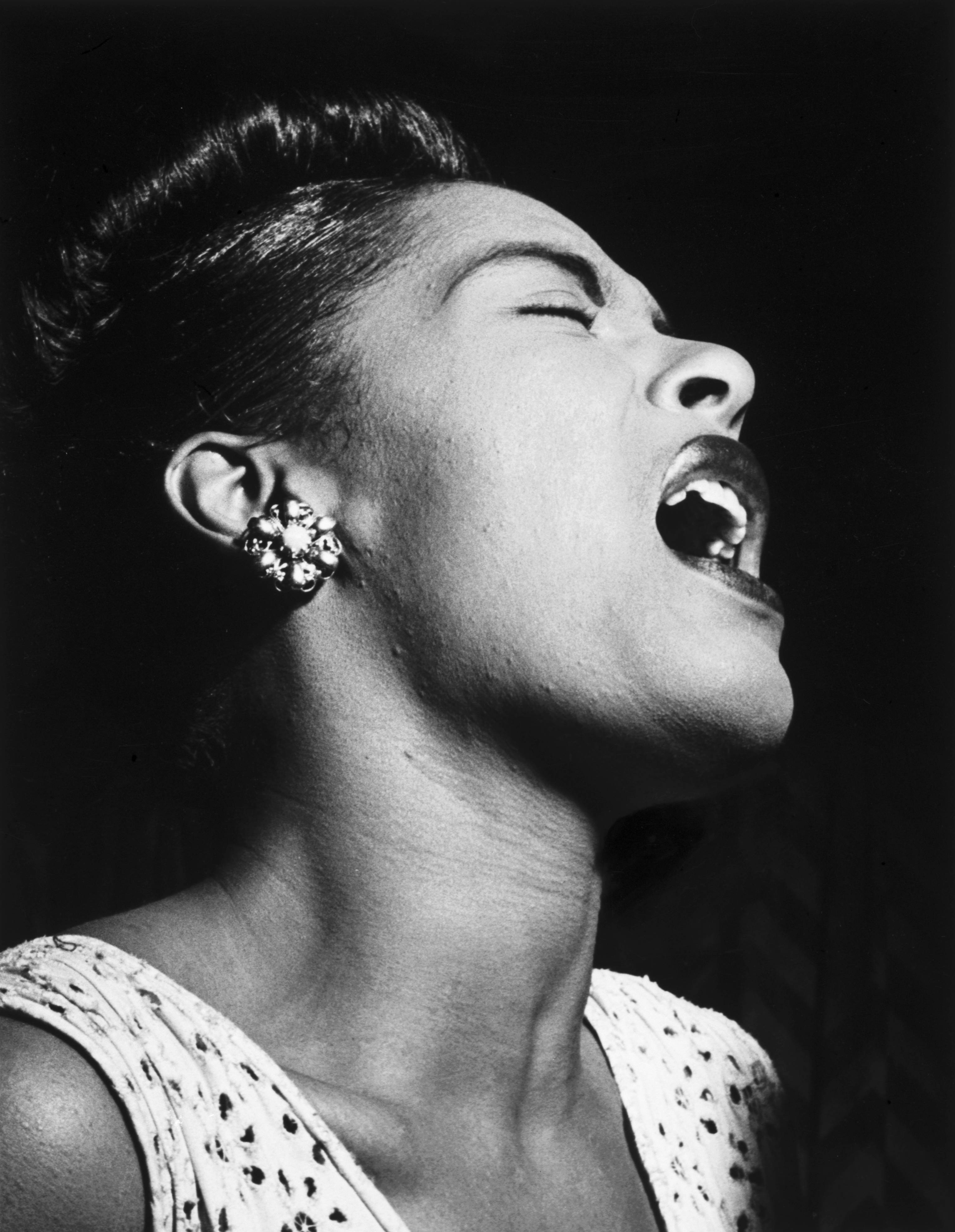
Billie Holiday was an influential African American jazz singer beginning her career in the 1930s. She is noted for ushering a new style of vocal performance in jazz music, while transforming the possibilities of American song. However, her greatness cannot be separated from her political courage. In 1939, Holiday recorded and released her musical version of “Strange Fruit.” Originally a poem written by Abel Meeropol, the song outwardly protested the lynching of African Americans in the United States.
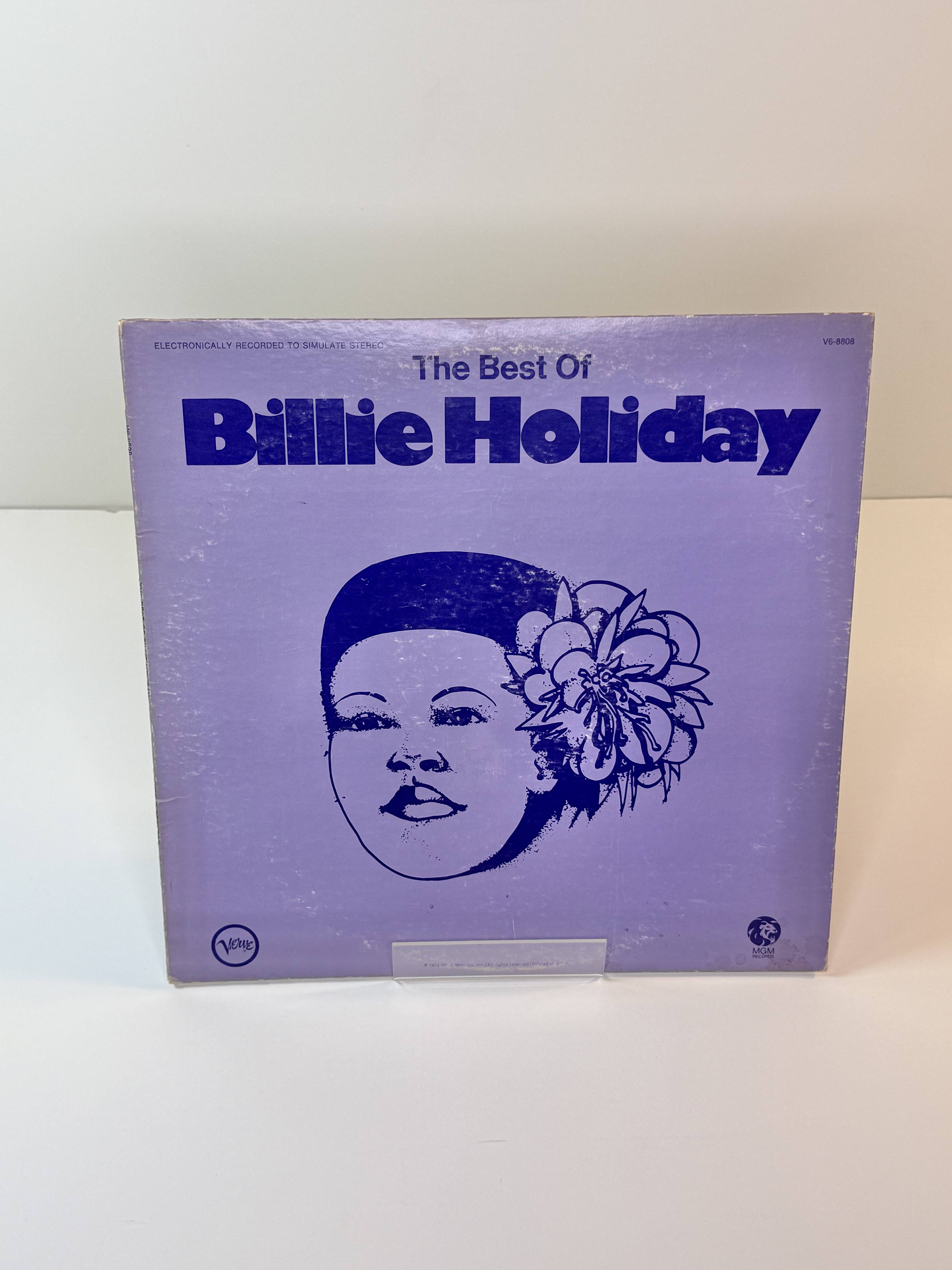
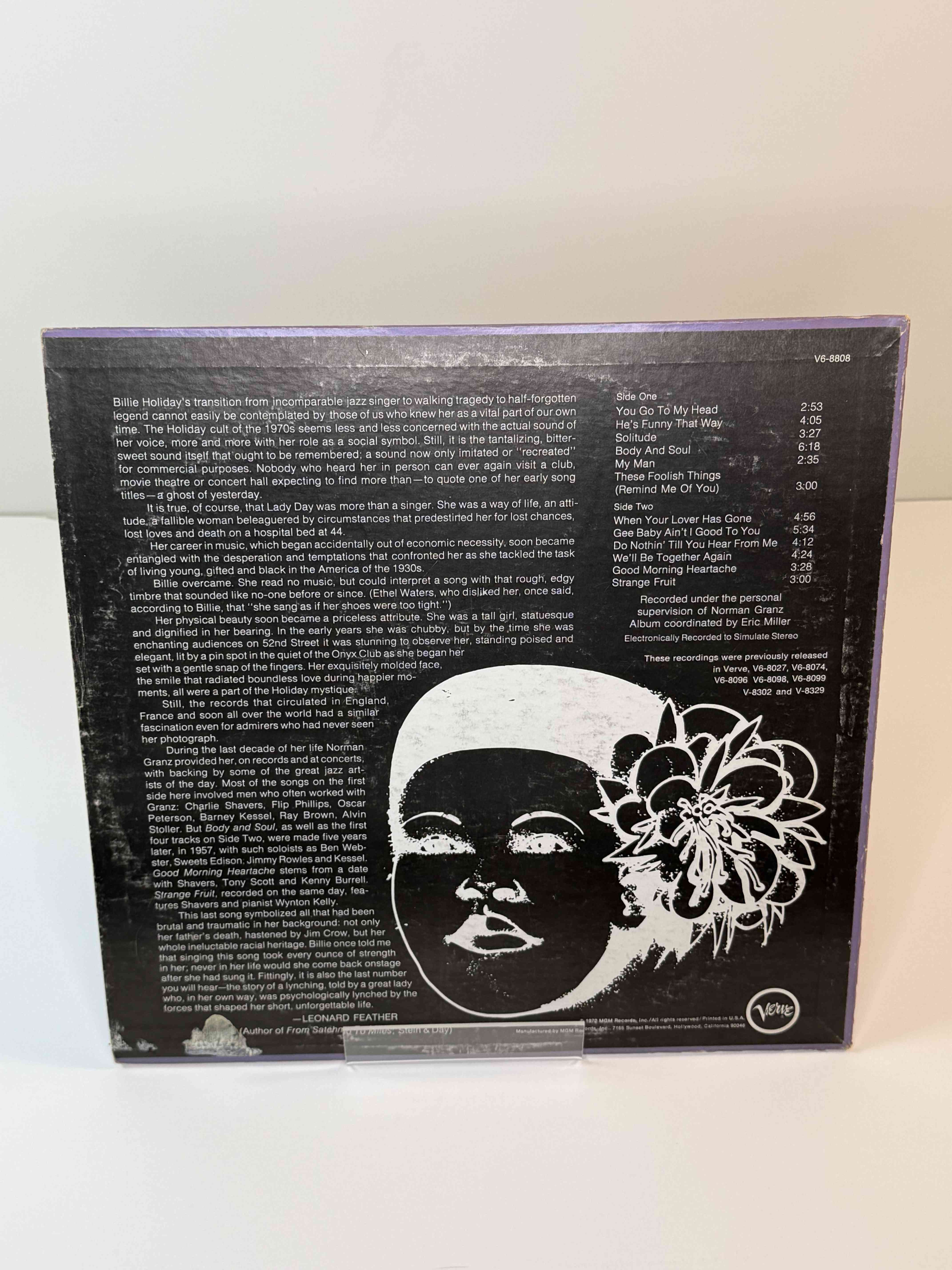
This copy of The Best of Billie Holiday from The Black Canon’s collection preserves not only Holiday’s enduring image, but also a historical interpretation of her political courage. On the back cover, jazz critic Leonard Feather recalls the emotional toll of “Strange Fruit,” writing that performing the song “took every ounce of strength in her: never would she come back on stage after singing it.” Even so, Holiday continued to sing it, giving public voice to the terror of lynching at a moment when such violence was still treated by many as either invisible or unspeakable. Her performance forced audiences to confront the brutality of anti-Black racism, and that refusal to soften its meaning made her a target.
Holiday’s story reveals the danger that emerges when Black artistry becomes openly oppositional. Her refusal to stop performing “Strange Fruit,” despite government harassment and repeated efforts to silence her, underscores the extent to which Black performance could become a form of witness and protest. That refusal came at a profound personal cost. Years of surveillance, professional targeting, physical strain, and emotional burden compounded the hardships that marked Holiday’s life, deepening struggles that would shadow her career and contribute to her premature death at just forty-four.
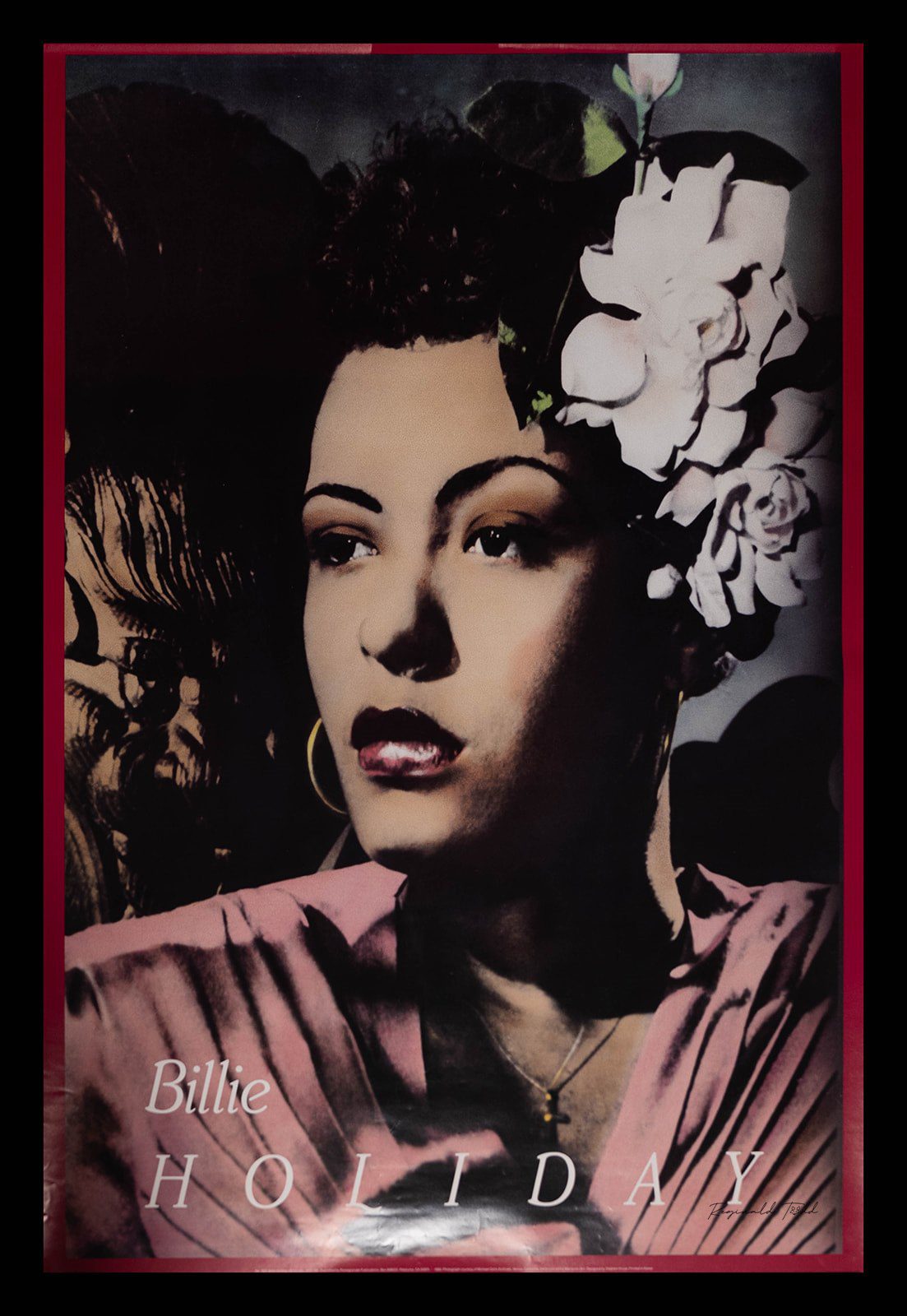
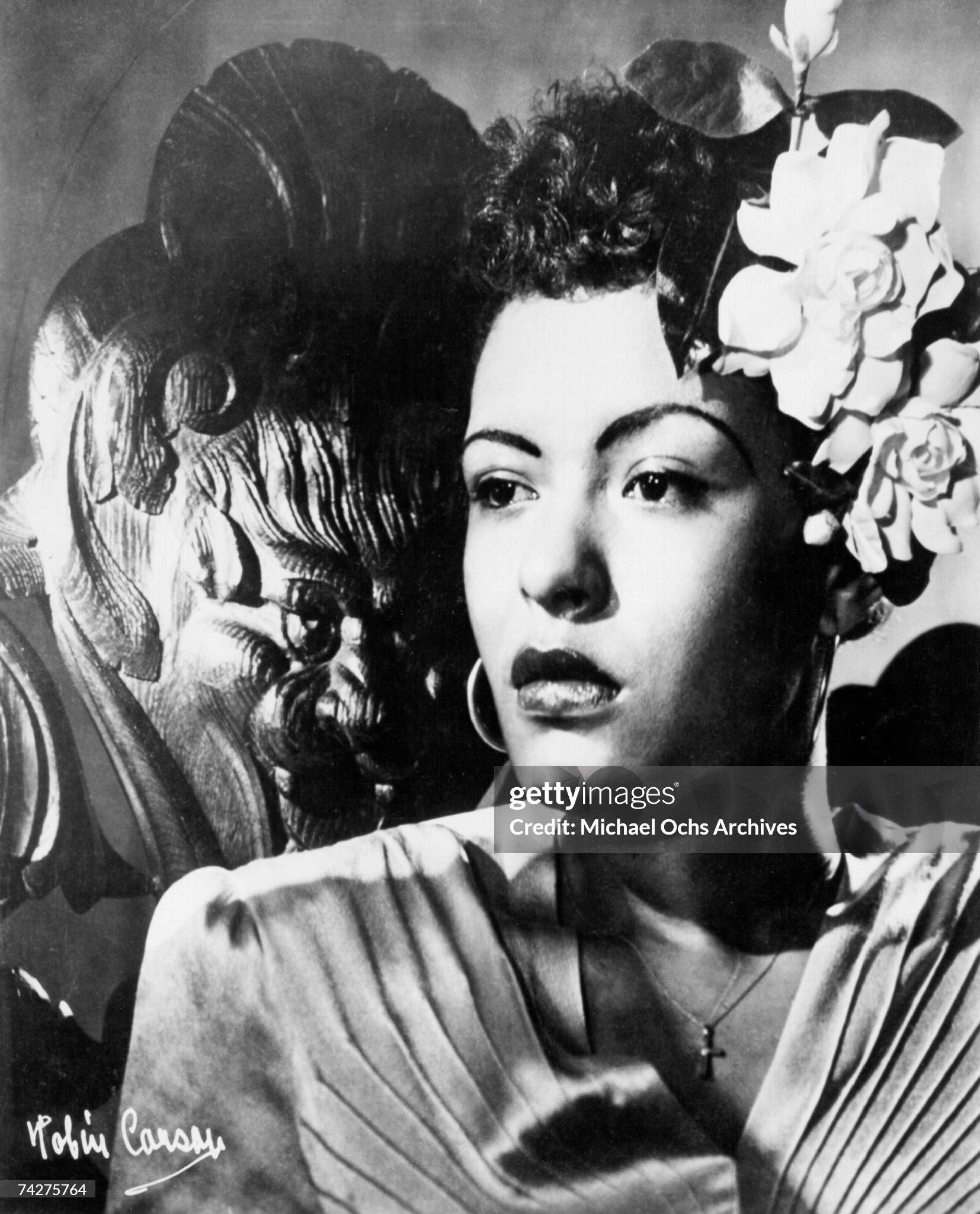
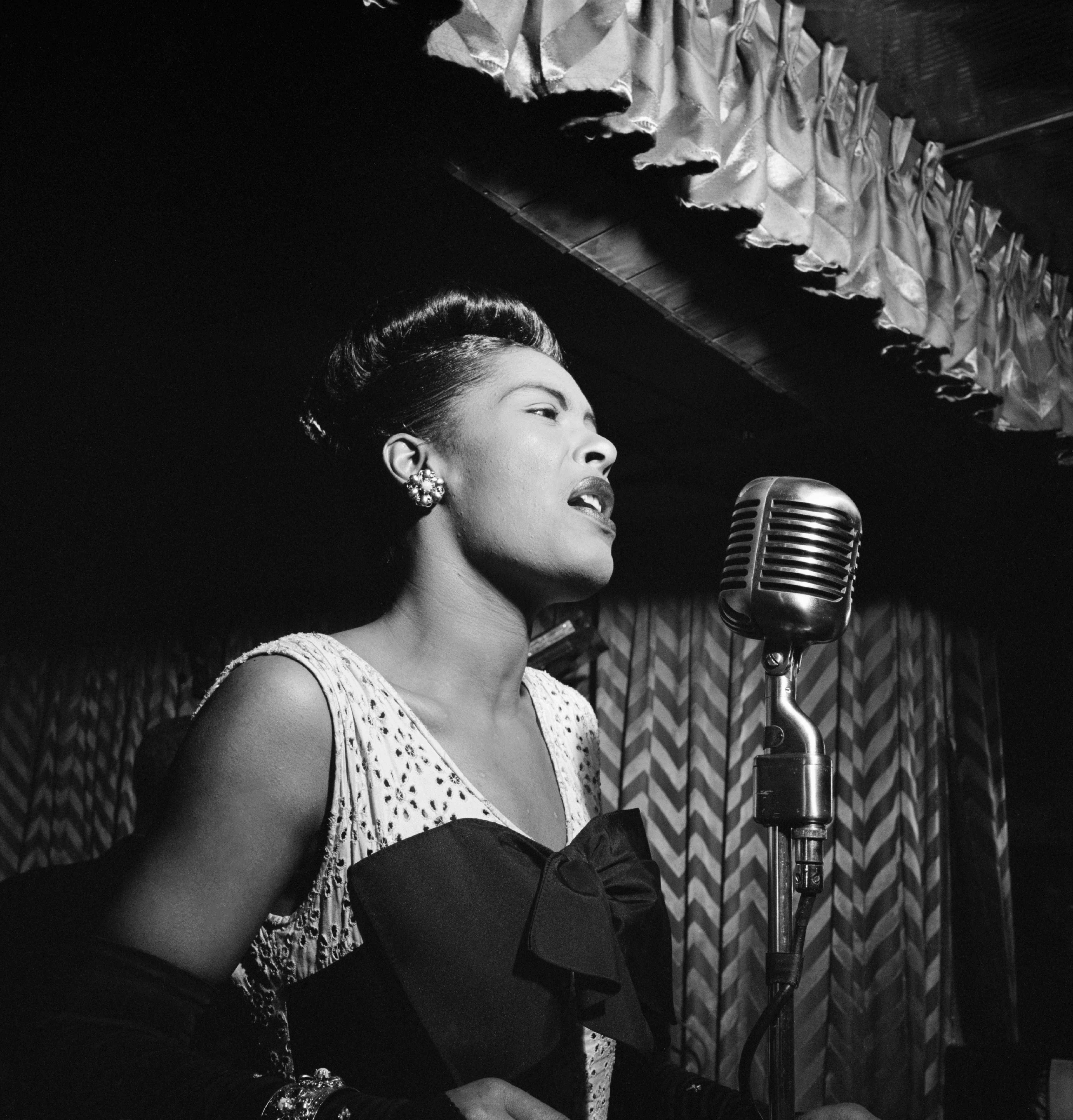
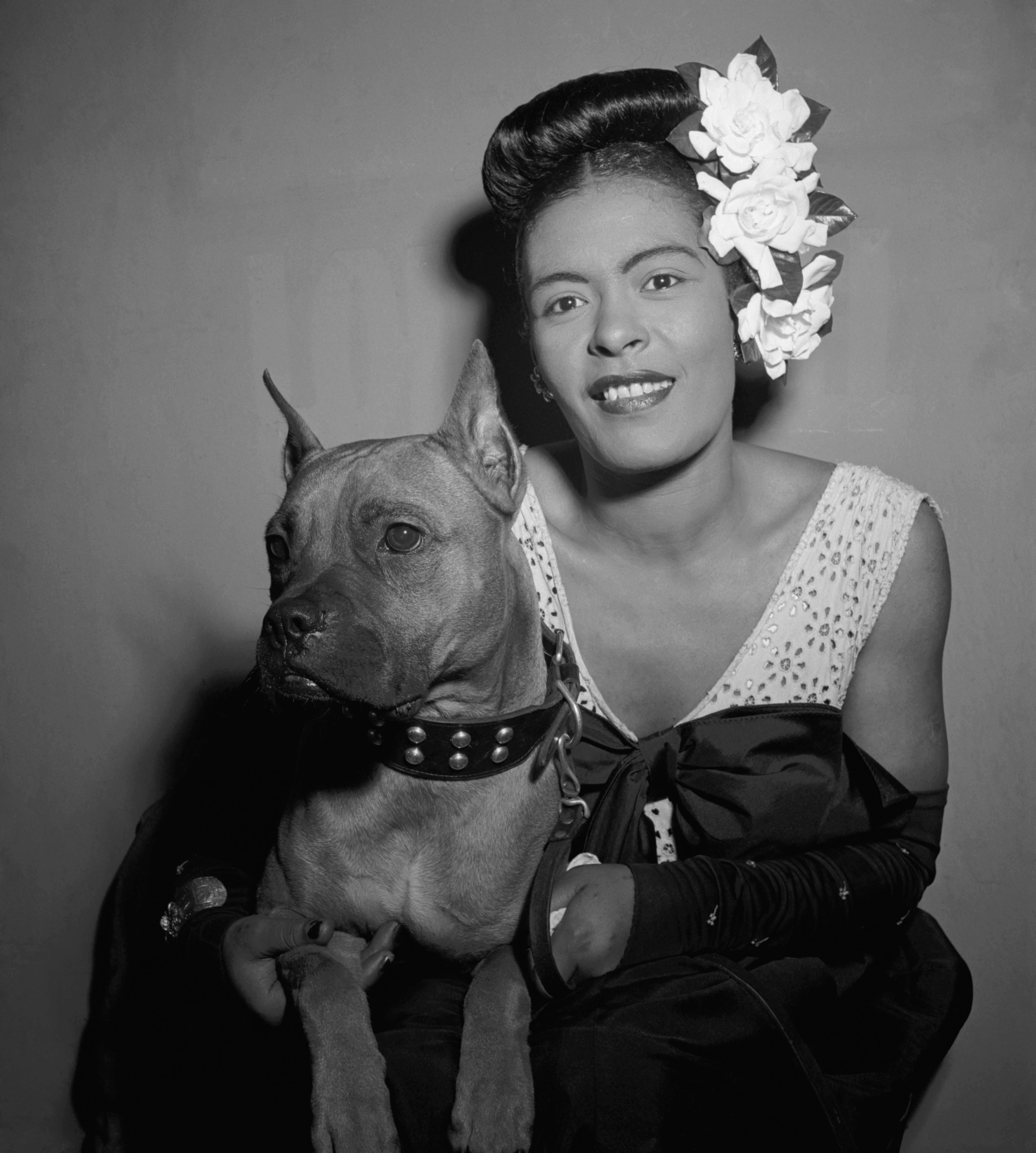
The 1939 photograph by Robin Carson captures Holiday in a moment of poised stillness, her face luminous yet distant, framed by flowers and shadow. The image conveys both glamour and gravity: she appears at once composed for public view and inwardly guarded, already bearing the weight of a life lived under scrutiny. The later poster from Black Canon’s collection is a graphic adaptation of Carson’s original photograph, translating that portrait into a bolder, more stylized public image.
In the shift from photographic realism to graphic design, Holiday becomes both icon and symbol — a star made legible to mass culture, but still marked by the same reserve, elegance, and vulnerability visible in the original. Seen together, the photograph and poster illuminate the tension at the heart of Holiday’s legacy: the transformation of a singular woman into a public legend, even as the costs of that visibility remained painfully real.
Chapter 02 — Faith, Refusal, and the Politics of Conscience
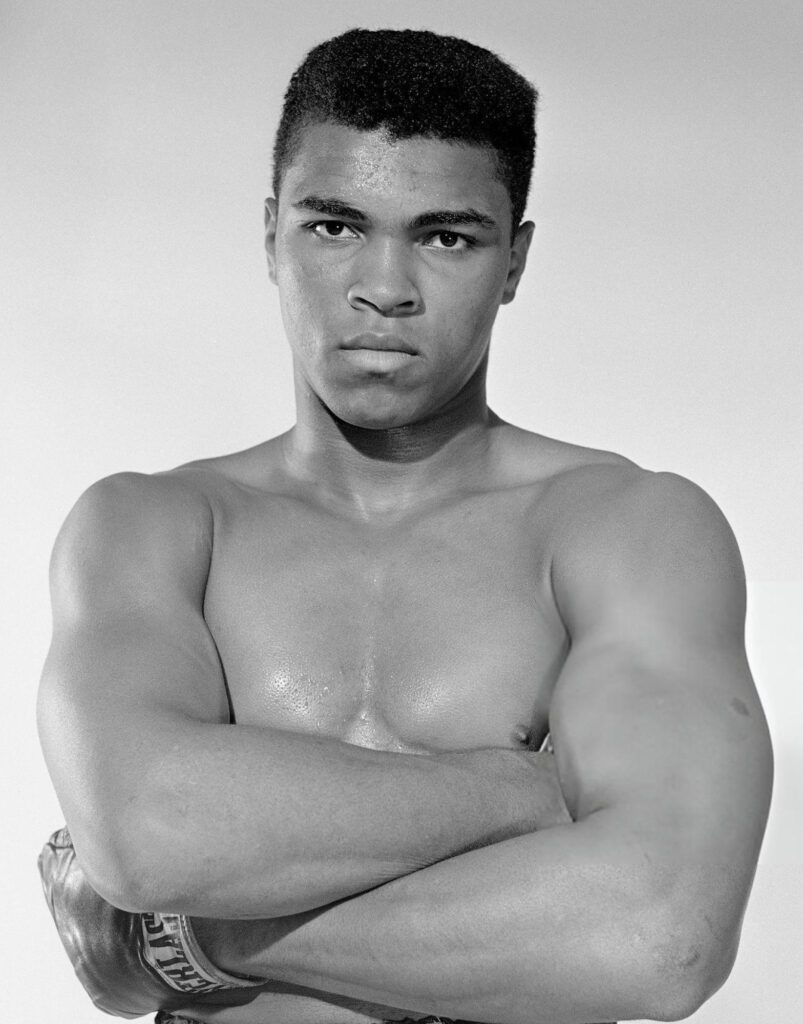
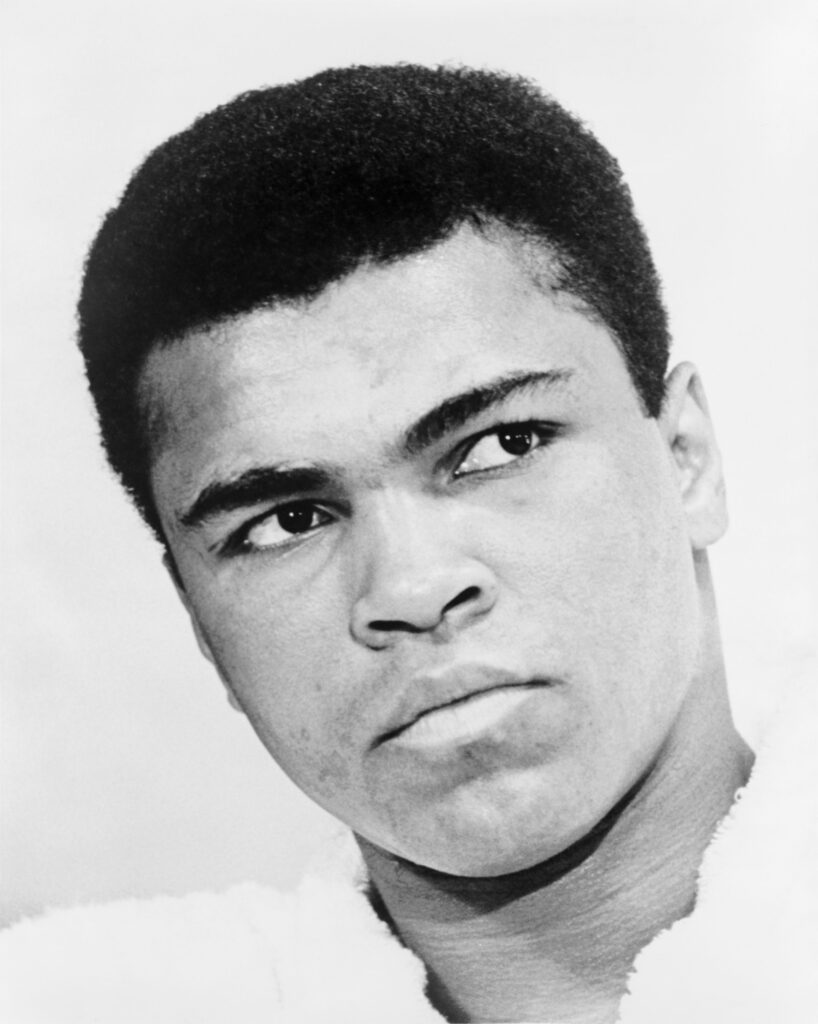
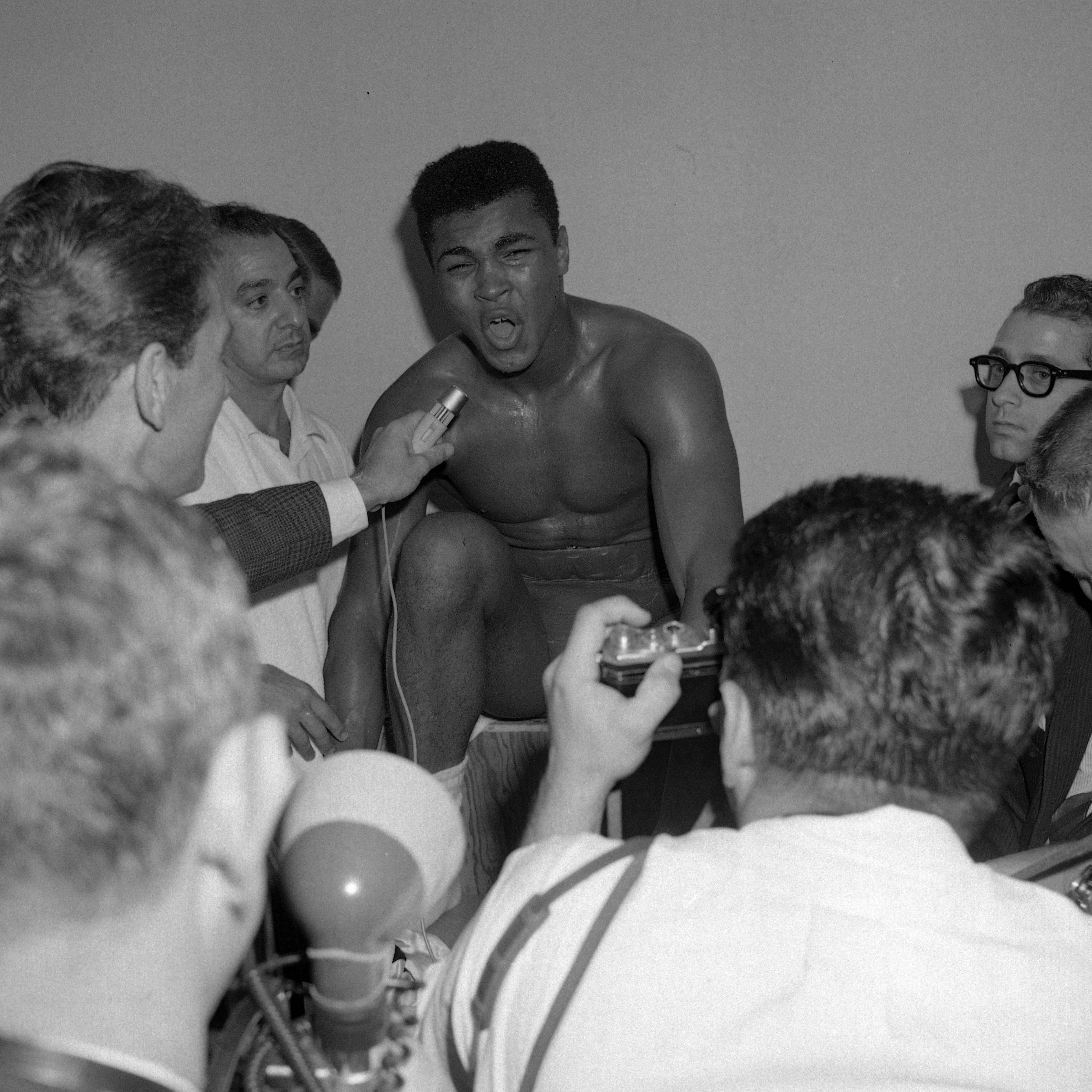
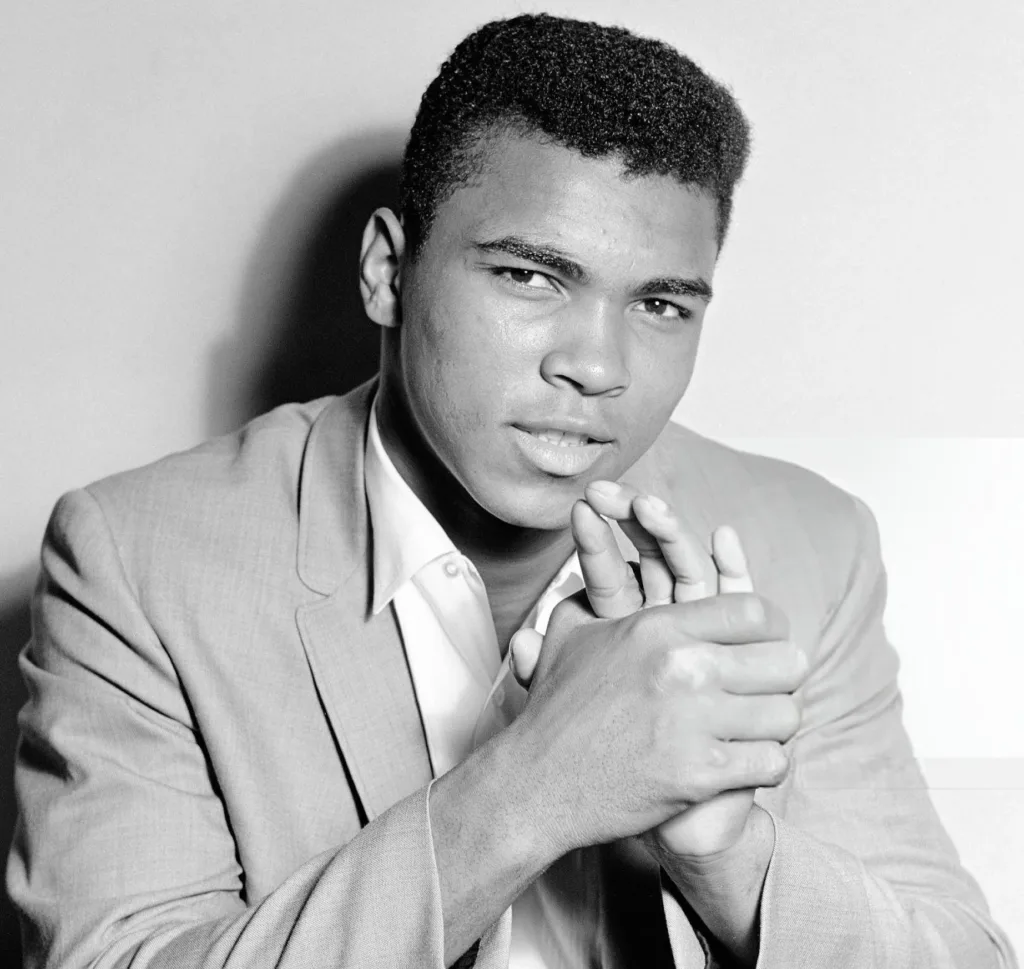
Muhammad Ali was a prominent heavyweight boxing champion who rose to fame in the 1960s. Although his public life was defined by extraordinary athletic achievement, his historical significance extends far beyond the boxing ring. Known for his outspoken personality, Ali used his platform to speak openly about race, religion, and the treatment of Black Americans in the United States.
After joining the Nation of Islam in 1964, Ali publicly embraced his identity as a Black Muslim, rejecting the name Cassius Clay and challenging the expectations placed upon him as a public figure. Speaking with unusual clarity about race and power in the United States, Ali refused the narrow role that American culture had prepared for him. He would not be a compliant Black sports hero. Instead, he used visibility as a platform for dissent.
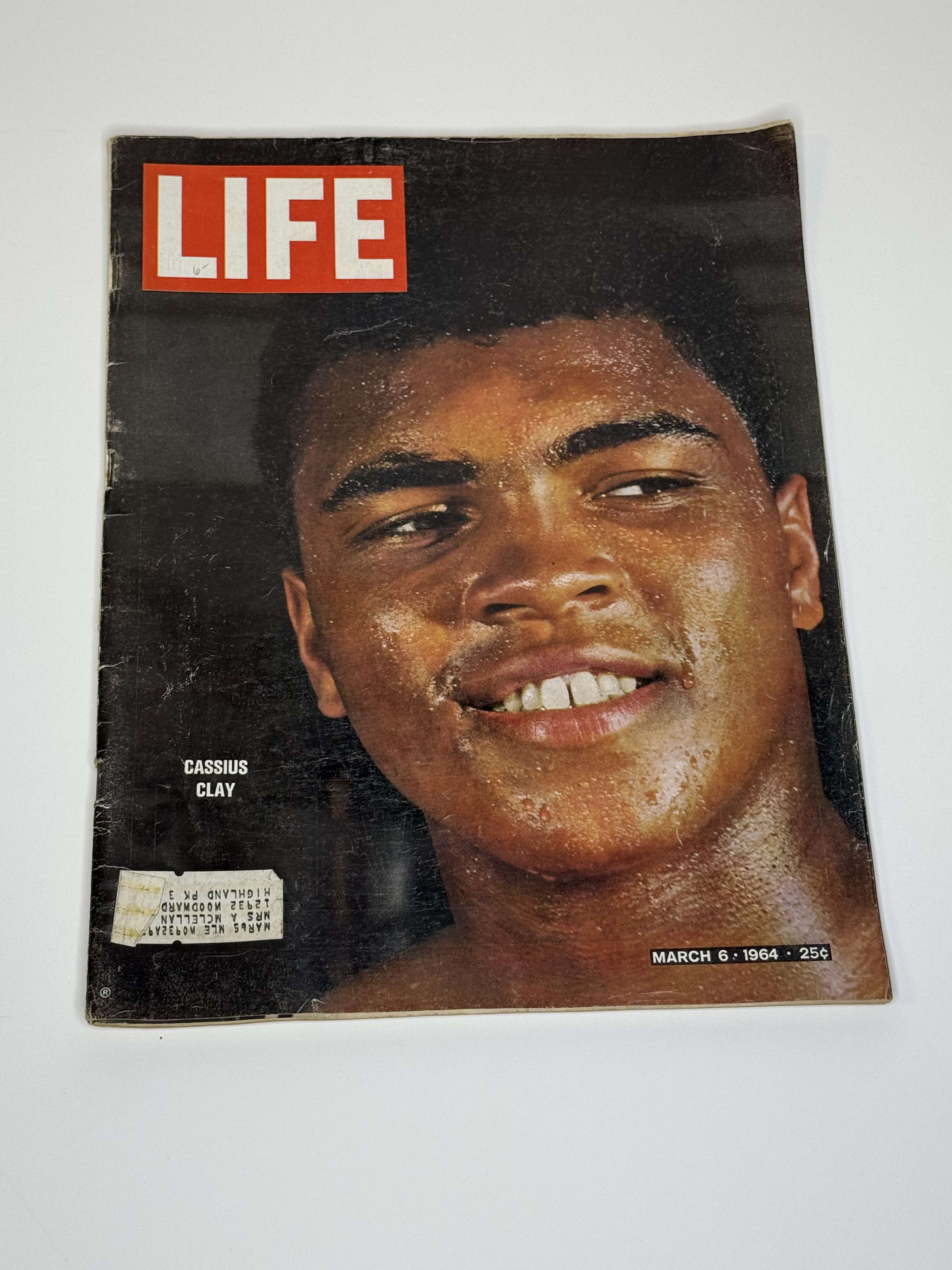
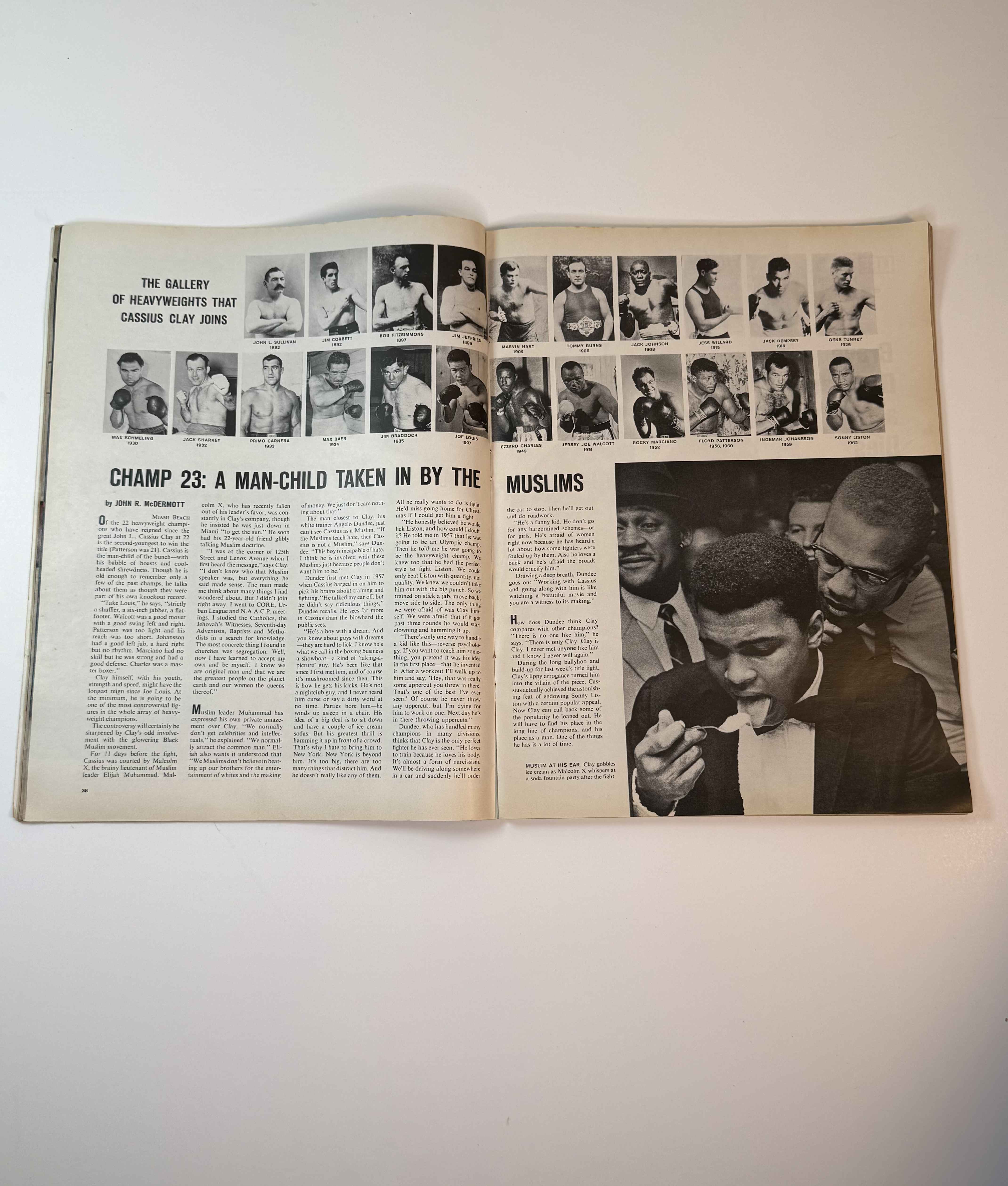
Published just days after his shocking upset over Sonny Liston in Miami on February 25, 1964, this Life cover captures Muhammad Ali at a moment of profound transformation. Still identified here as “Cassius Clay,” he appears vigorous and triumphant within the visual language of mainstream American celebrity. Yet the cover also records a threshold moment: in the immediate aftermath of the fight, Ali publicly aligned himself with the Nation of Islam and soon rejected the name Cassius Clay, announcing a political and spiritual identity that unsettled the sports world and white America alike. The image preserves the instant before Ali’s public meaning shifted — from celebrated champion to unapologetically Black, Muslim, and politically defiant figure.
The interior spread complicates that image by placing him alongside Malcolm X, with whom he was then closely aligned through the Nation of Islam. That pairing is historically significant. Malcolm was not only a political influence but also a trusted friend, and the eventual fracture between the two men haunted Ali for years after Malcolm’s assassination. Seen together, these pages reveal the tension between celebrity and self-determination: Ali could be celebrated as champion, but once he embraced Black Muslim identity and revolutionary Black politics, his public image became a site of fascination, suspicion, and loss.
In 1967, during the Vietnam War, Ali refused to be inducted into the United States military. Citing both his religious beliefs and his opposition to fighting in a war for a country that denied full rights to Black people, he famously declared that he had no conflict with the Vietnamese people. His refusal was widely condemned, and Ali faced immense pressure from the United States government and the public to comply. As a result of his stance, the government charged Ali with draft evasion. He was stripped of his heavyweight championship title, banned from boxing, and faced the possibility of imprisonment.
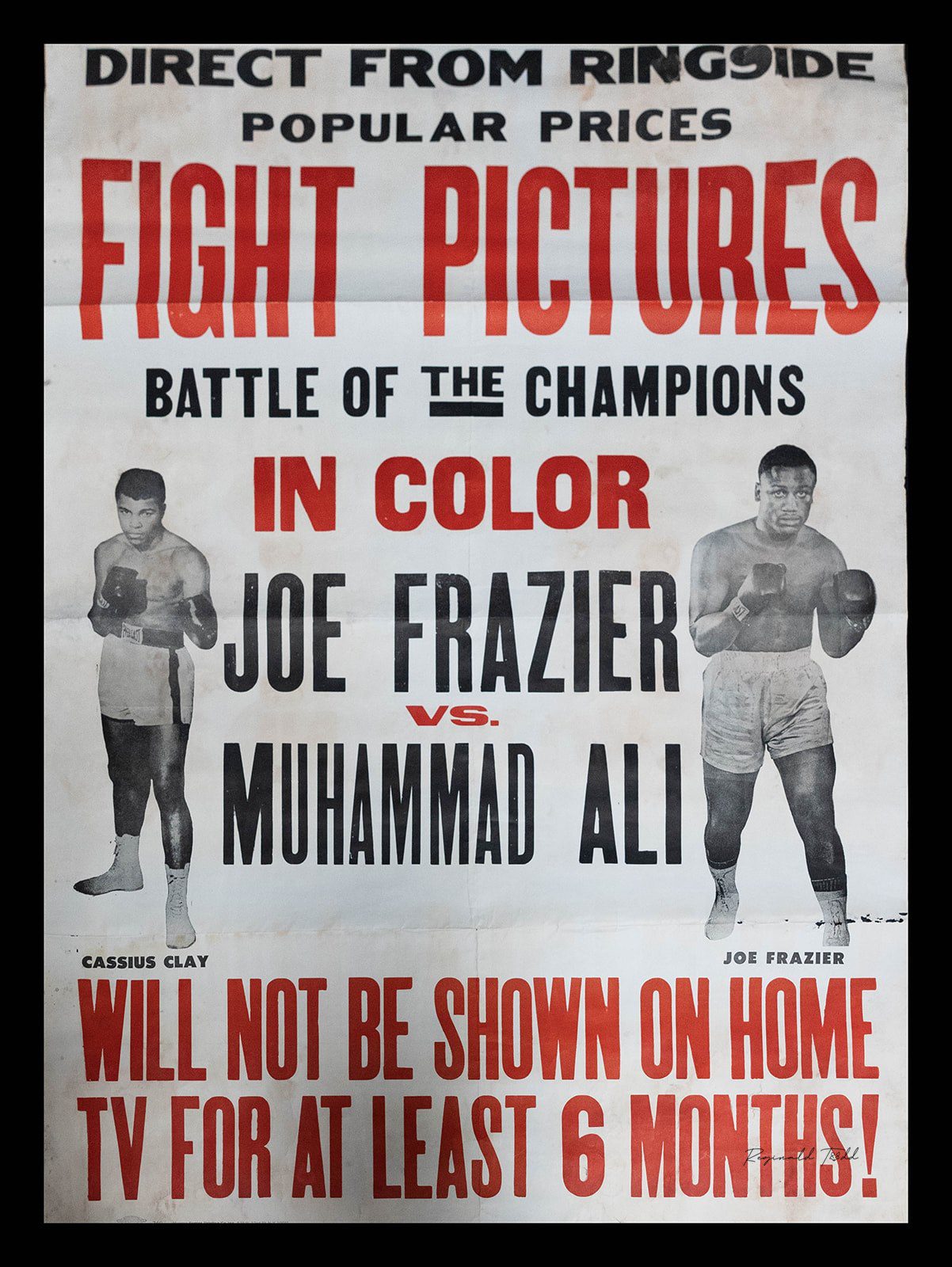
By 1970, Muhammad Ali had returned to boxing after years of exile from the sport and March 8, 1971 marked his rivalry with Joe Frazier as one of the defining public dramas of the era. This poster from Black Canon’s collection advertises the championship bout as a major spectacle, using bold red-and-black typography, full-body fighter portraits, and the phrase “Battle of the Champions” to heighten its sense of historic scale. Yet the image also preserves a revealing contradiction: although the poster names Muhammad Ali, it still labels him beneath his figure as “Cassius Clay,” exposing the persistence with which popular media resisted his chosen identity even after his return to prominence.
The line announcing that the fight “will not be shown on home TV for at least 6 months” underscores how major boxing matches circulated as premium public events, turning Black athletic rivalry into mass commercial entertainment. In this context, the poster reflects both Ali’s restored celebrity and the lingering struggle over who had the right to name him, frame him, and profit from his image.
Ali’s refusal to serve in the Vietnam War remains one of the most consequential acts of political protest by an athlete in modern U.S. history. By placing his faith and his moral convictions above national expectation, he risked his title, his livelihood, and his freedom.
Chapter 03 — Refusing Caricature
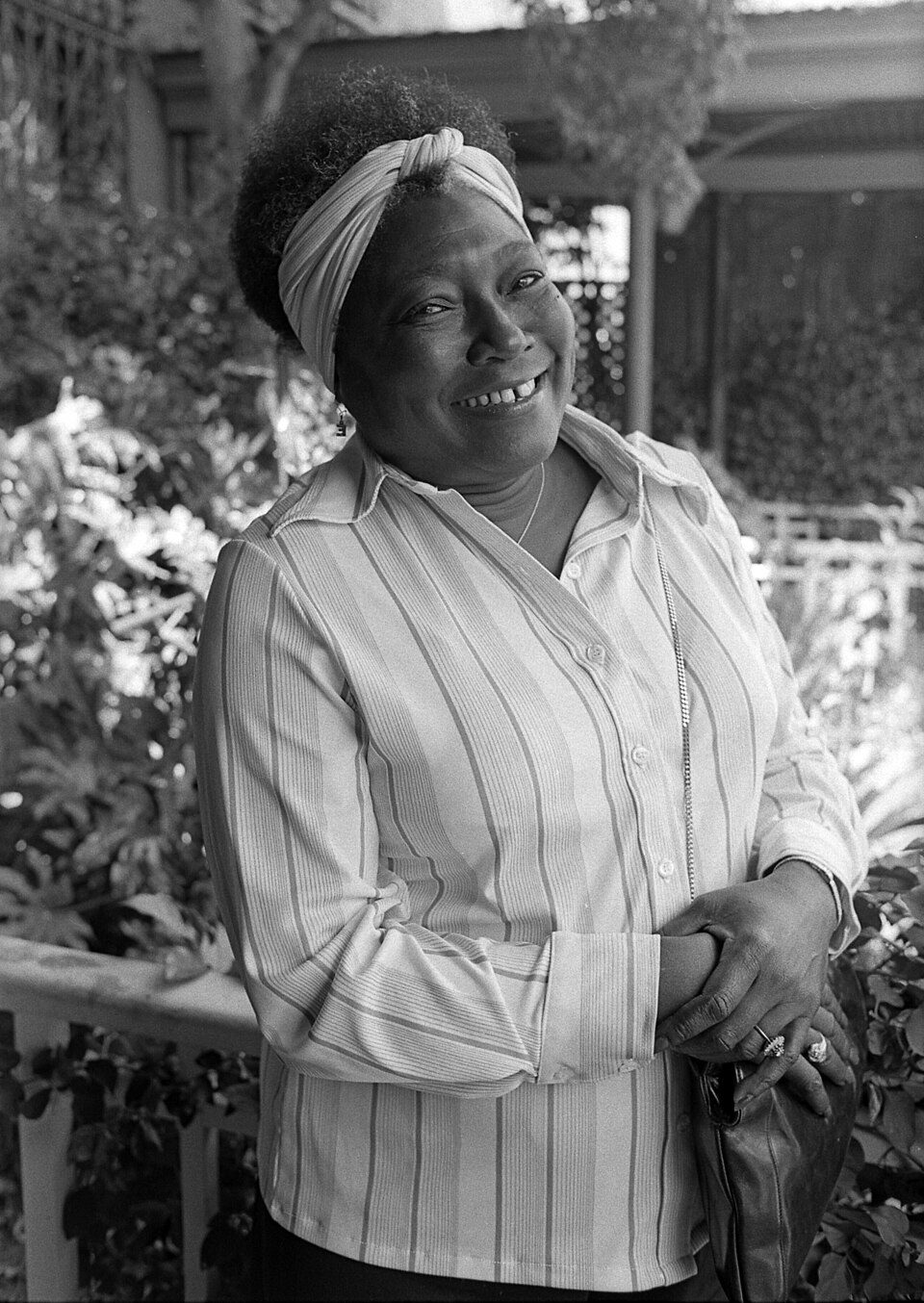
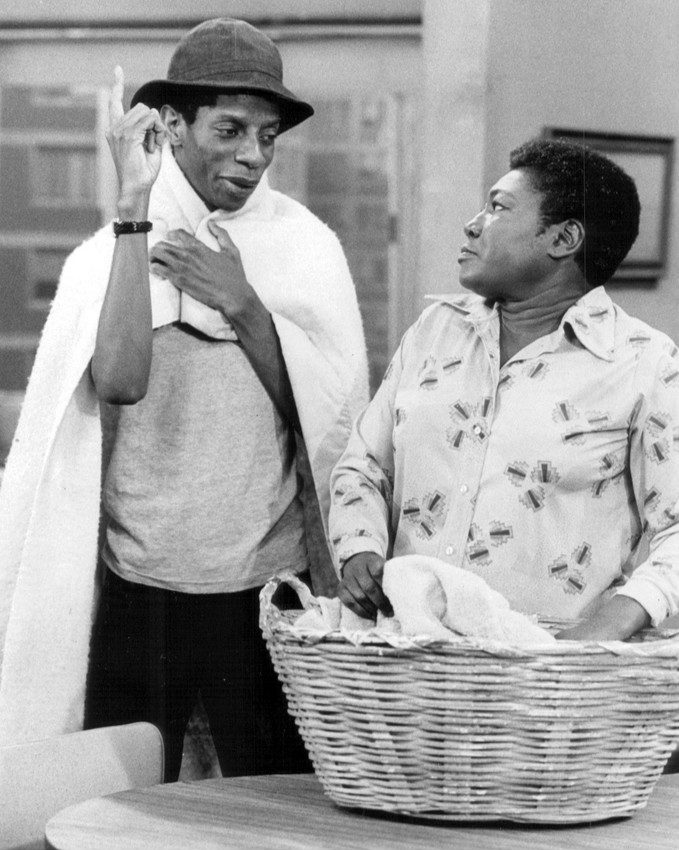
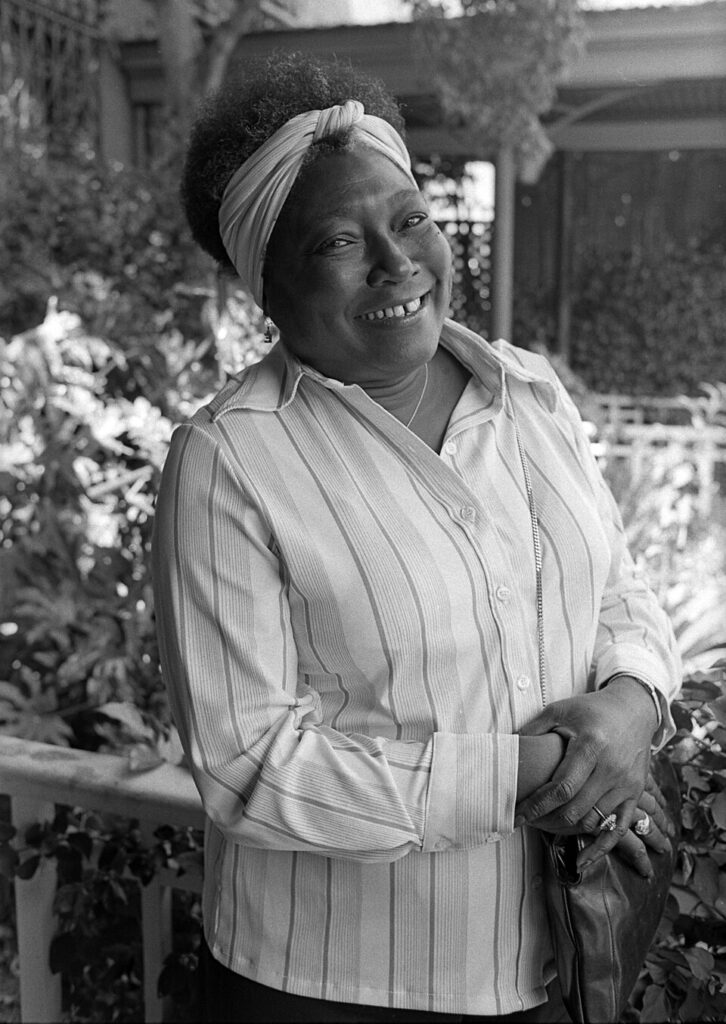
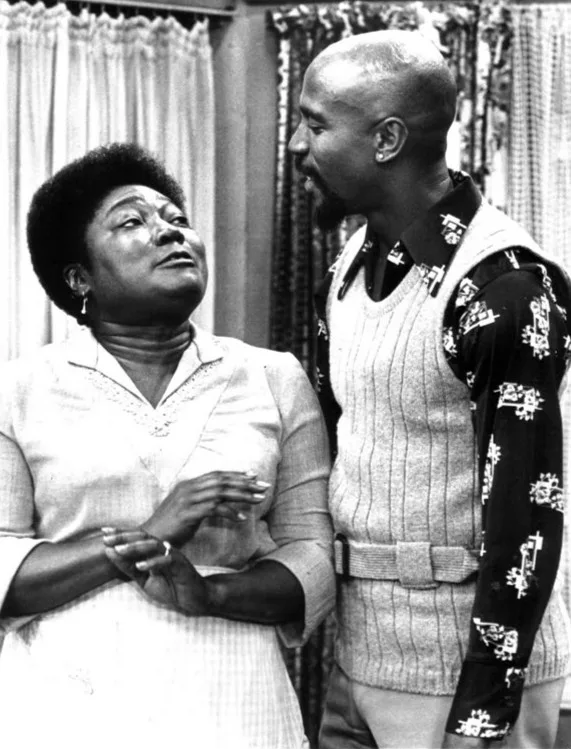
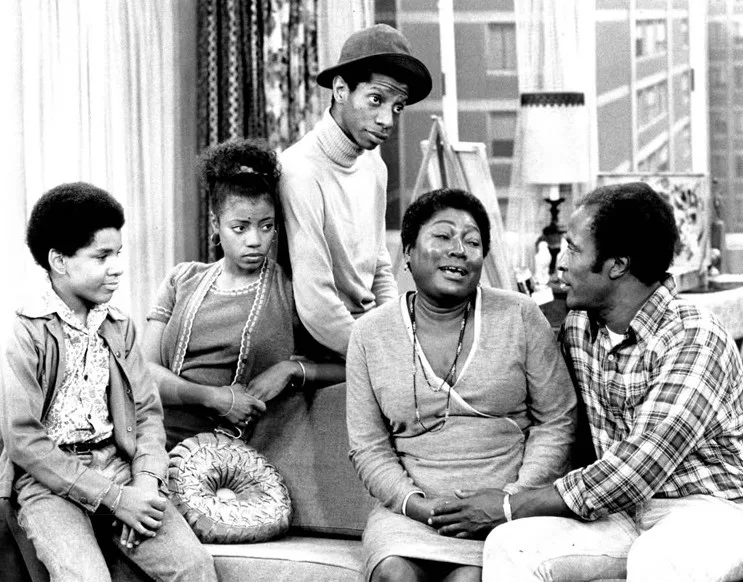
Esther Rolle understood television as a powerful engine of public meaning. Best known for her role as Florida Evans on Good Times, Rolle initially helped bring to the screen a more grounded and loving portrayal of Black family life. This section considers Rolle as a cultural worker deeply aware of the stakes of representation — and as an artist who chose principle over comfort, visibility, and commercial success.
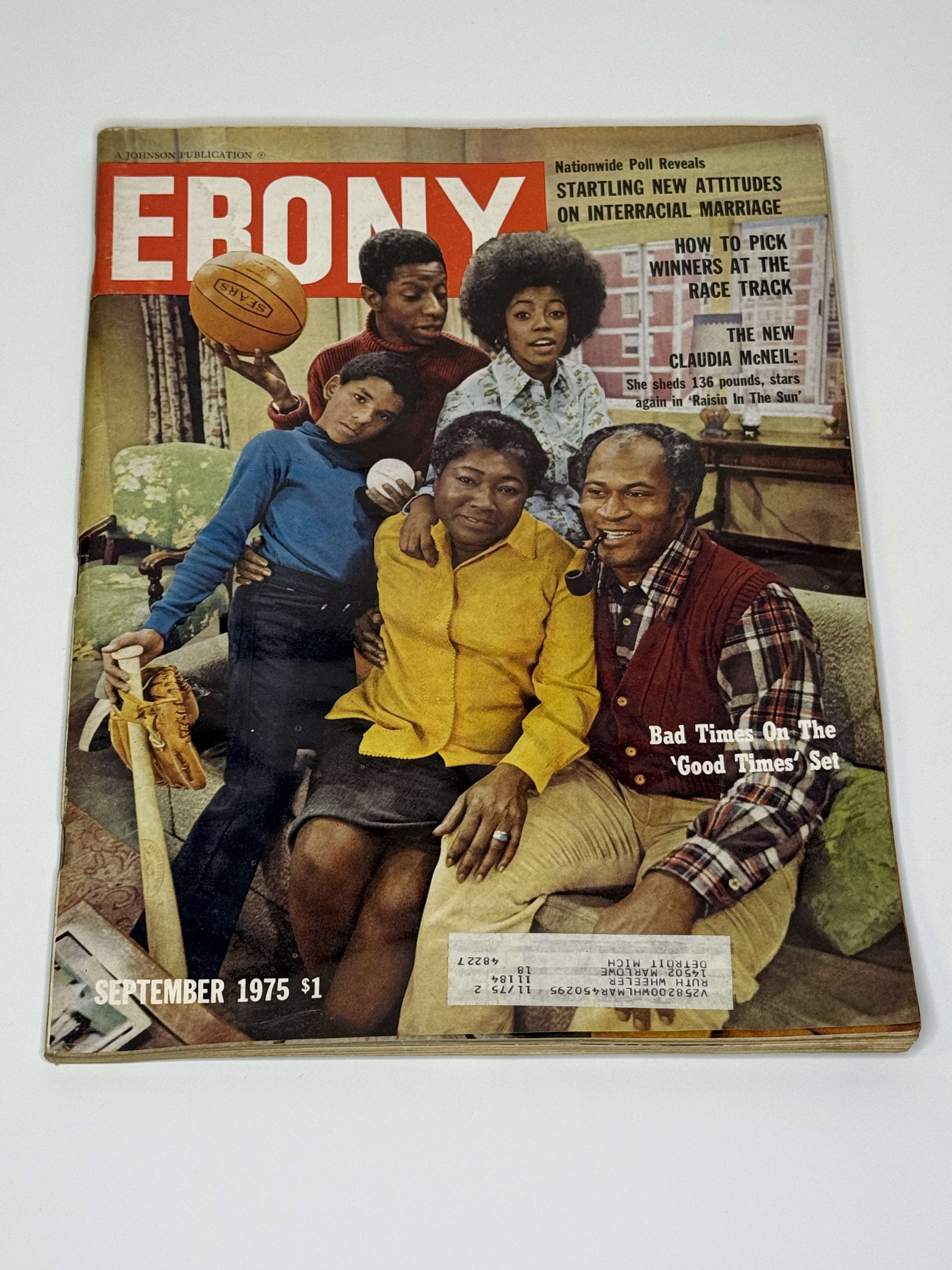
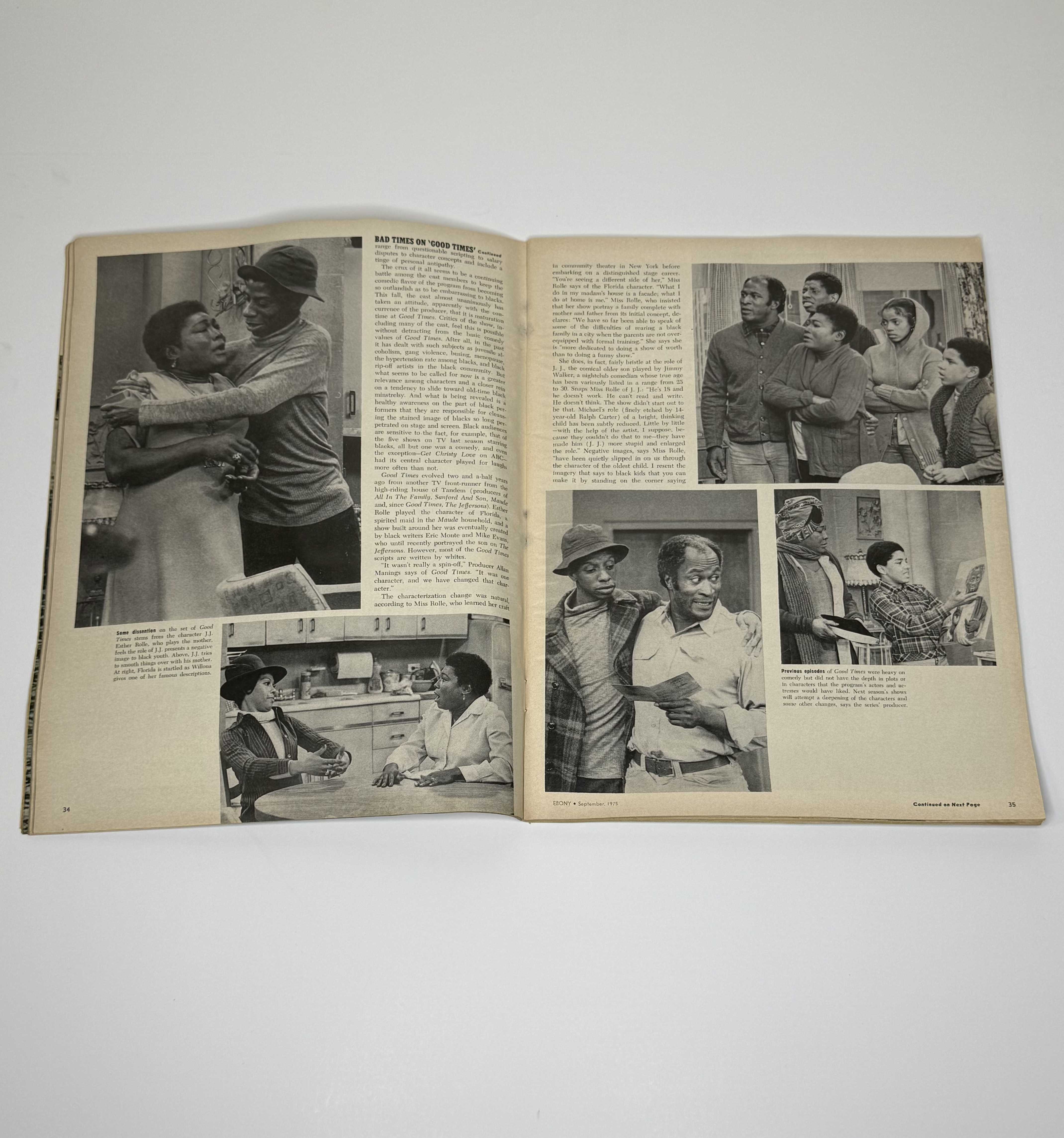
This September 1975 issue of Ebony captures the cast of Good Times at the height of the show’s popularity, while its cover line — “Bad Times on the Good Times Set” — signals the conflict unfolding behind the scenes. Centered in the image, Esther Rolle and John Amos anchor the family with visible warmth and composure, even as the cover story points to growing tensions over the direction of the series. By the show’s fourth season, Rolle had grown increasingly critical of its shift away from nuanced portrayals of poor, working-class Black life toward broad comedy that centered J.J. as a loud, fun-loving “Sambo” stereotype.
The “Sambo” figure—popularized through nineteenth-century blackface performance, commercial advertising, literature, and later radio, film, and television—depicted Black people as foolish, lazy, servile, harmless, and endlessly entertaining. Although J.J. was not a direct reproduction of this figure, his mass appeal depended on a familiar visual and comedic vocabulary recognizable to white audiences: exaggerated expression, comic foolishness, and the transformation of Black working-class life into spectacle. This image captures both the cultural power and the representational burden of J.J. Evans, whose fame reveals how easily Black visibility in popular media could become entangled with racist forms of entertainment.
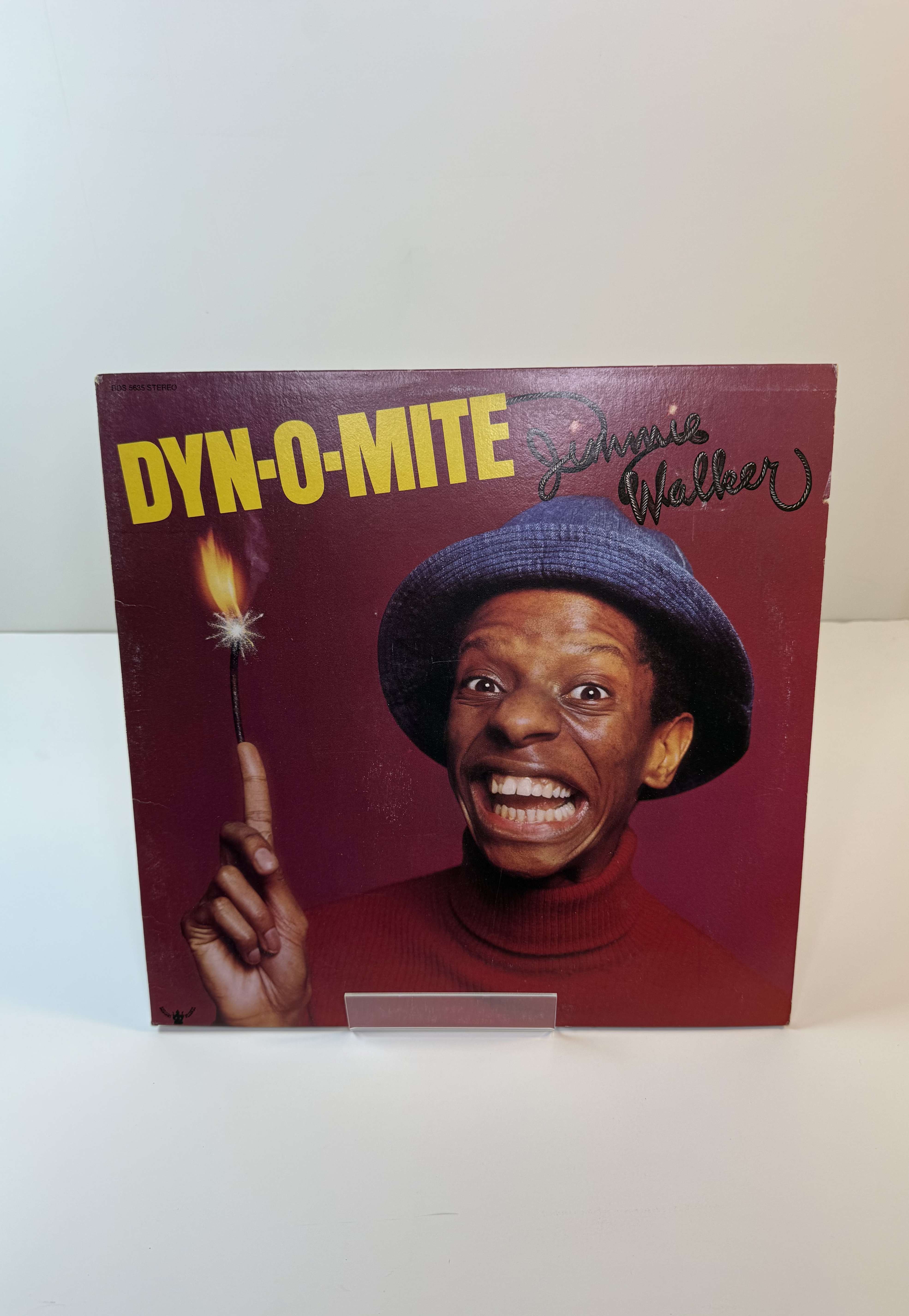
This album cover features comedian Jimmie Walker in character as J.J. Evans. With his exaggerated grin, wide eyes, tilted hat, and lit dynamite stick, the image turns J.J.’s famous catchphrase—“Dyn-o-mite!”—into a marketable visual identity reminiscent of minstrelsy. By the mid-1970s, J.J. had become one of the most recognizable Black characters on American television, but his popularity was also deeply contested. For critics, including Rolle and John Amos, J.J.’s exaggerated gestures, loud humor, physical antics, and childlike irreverence echoed older traditions of racist Black caricature.
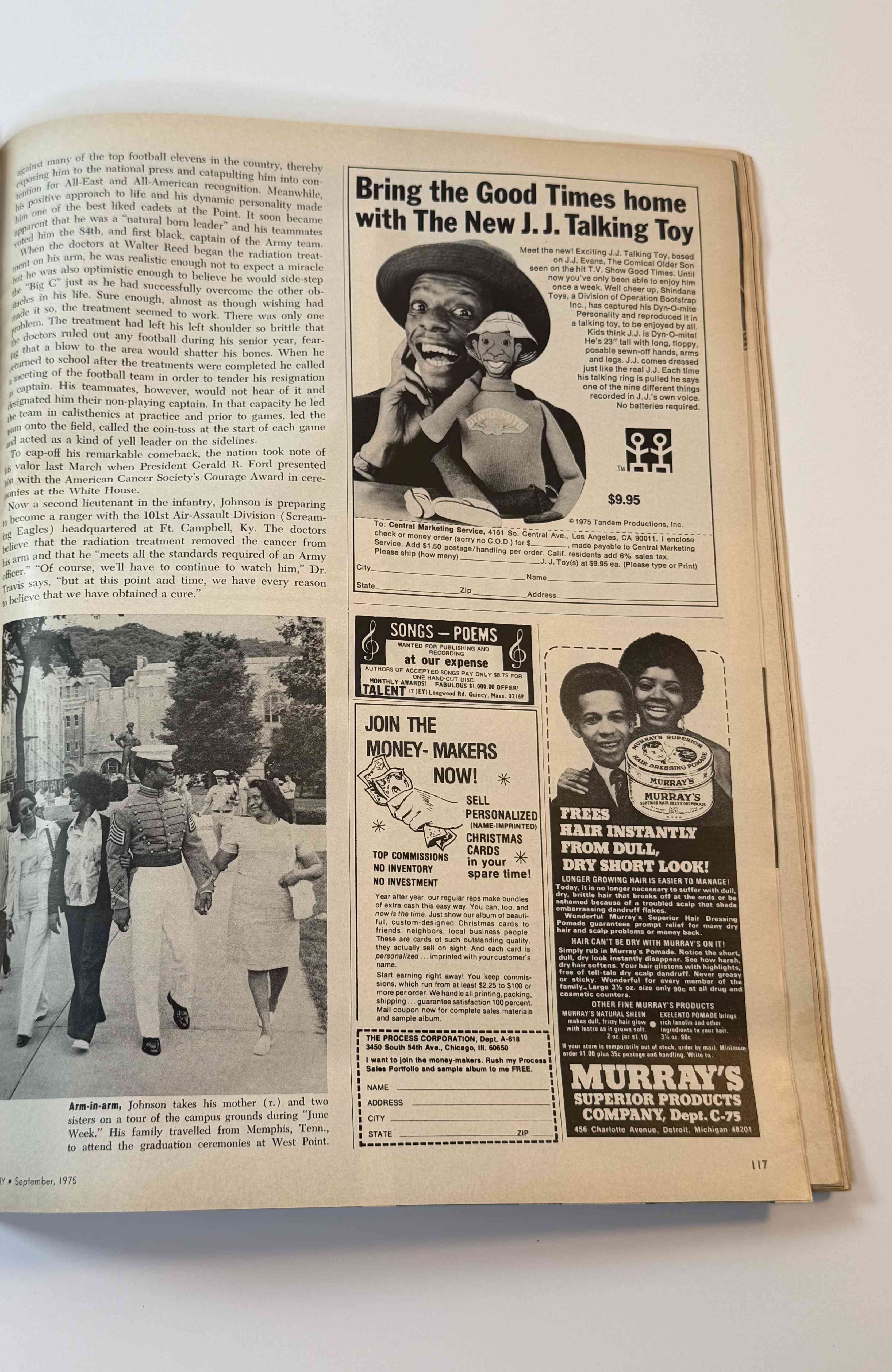
This advertisement promotes “The New J.J. Talking Toy,” revealing the extent to which J.J. had become a commodity by 1975. Such commercialization intensified debates about the character’s relationship to older racist caricatures as television played a major role in extending the “sambo” into twentieth century visual culture. Programs such as Amos ’n’ Andy, popularized comic images of Black life shaped by buffoonery and unintelligible dialect, even when performed by Black actors. Later shows, like Good Times, often struggled against this inheritance, attempting to present fuller depictions of Black life while still operating within predominantly white entertainment industries that foregrounded familiar stereotypes.
Rolle shared her frustrations with show runner Norman Lear and was adamant about her disproval of the J.J. character. With her concerns falling on death ears, Rolle had a decision to make. Continue to do the show and bask in the success, wealth, and popularity that it brought, or follow her morals and leave. After a lot of thought, Esther Rolle decided not to renew her contract at the start of the fifth season and left the show.
Her decision to leave was not simply a professional dispute; it was a political refusal. She rejected the idea that popularity alone justified distortion, and she refused to participate in a representation of Blackness that undermined the very dignity she had long sought to defend. Rolle returned for the final season under her own guidelines.
Chapter 04 — Holding the Line on Black Storytelling
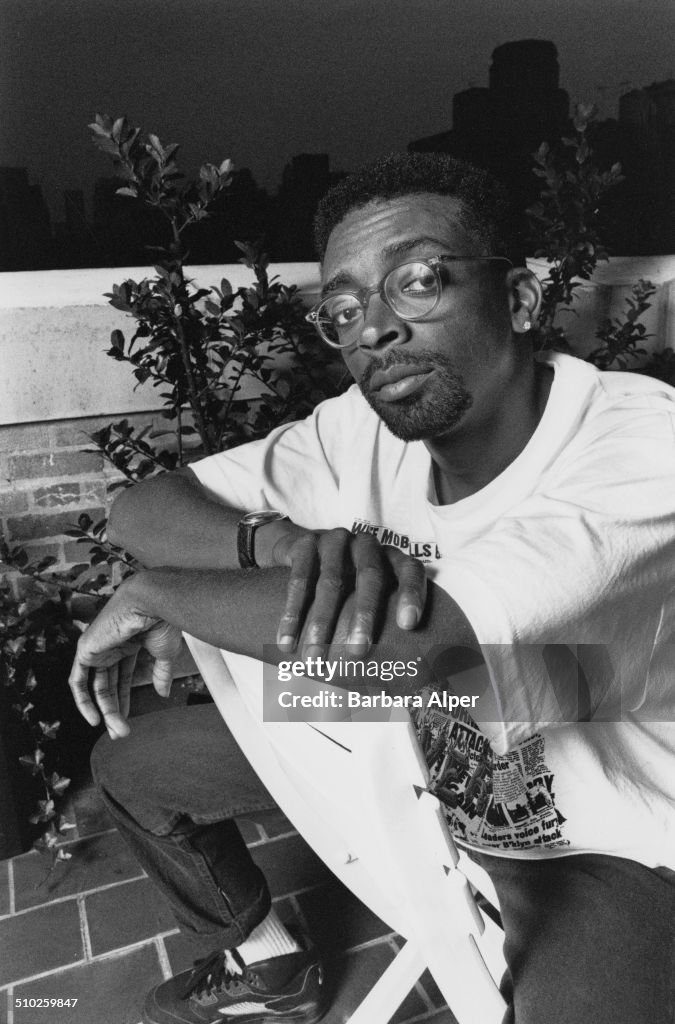
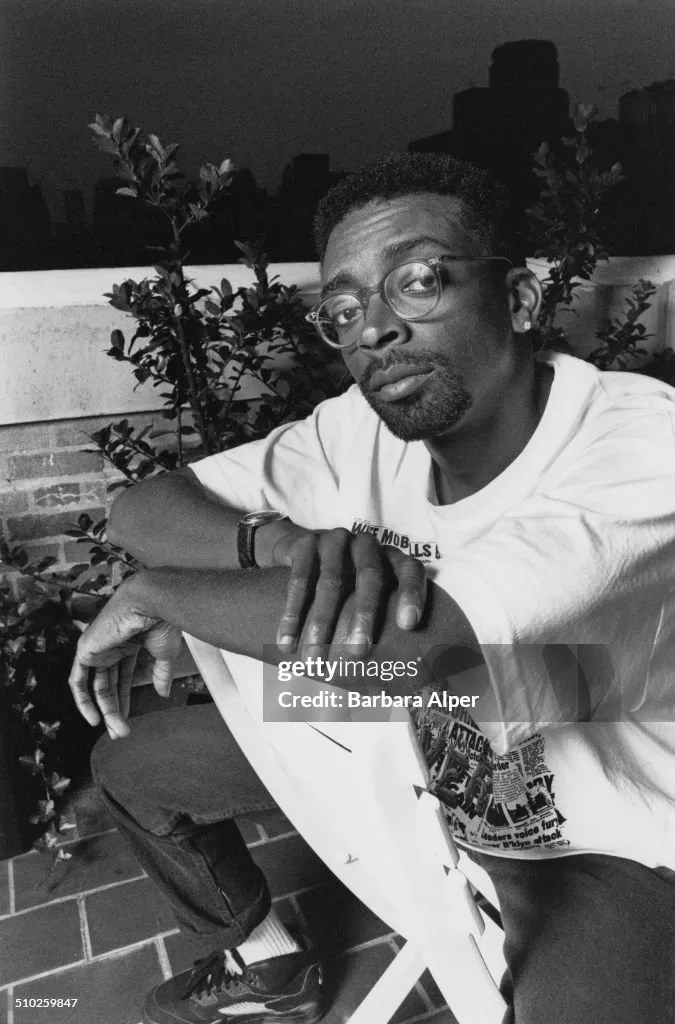
From the start of his career, Spike Lee made clear that Black life would not appear in his films as ornament, subtext, or marketable texture. It would remain central. Emerging in the 1980s, Lee insisted on telling stories shaped by the language, tensions, beauty, humor, and political realities of Black communities, even as studios and executives pressured him to soften his commentary and broaden his appeal to white mainstream audiences. This section positions Lee not only as an acclaimed filmmaker, but as a cultural strategist who defended the integrity of Black narrative against the commercial pressures of the film industry.
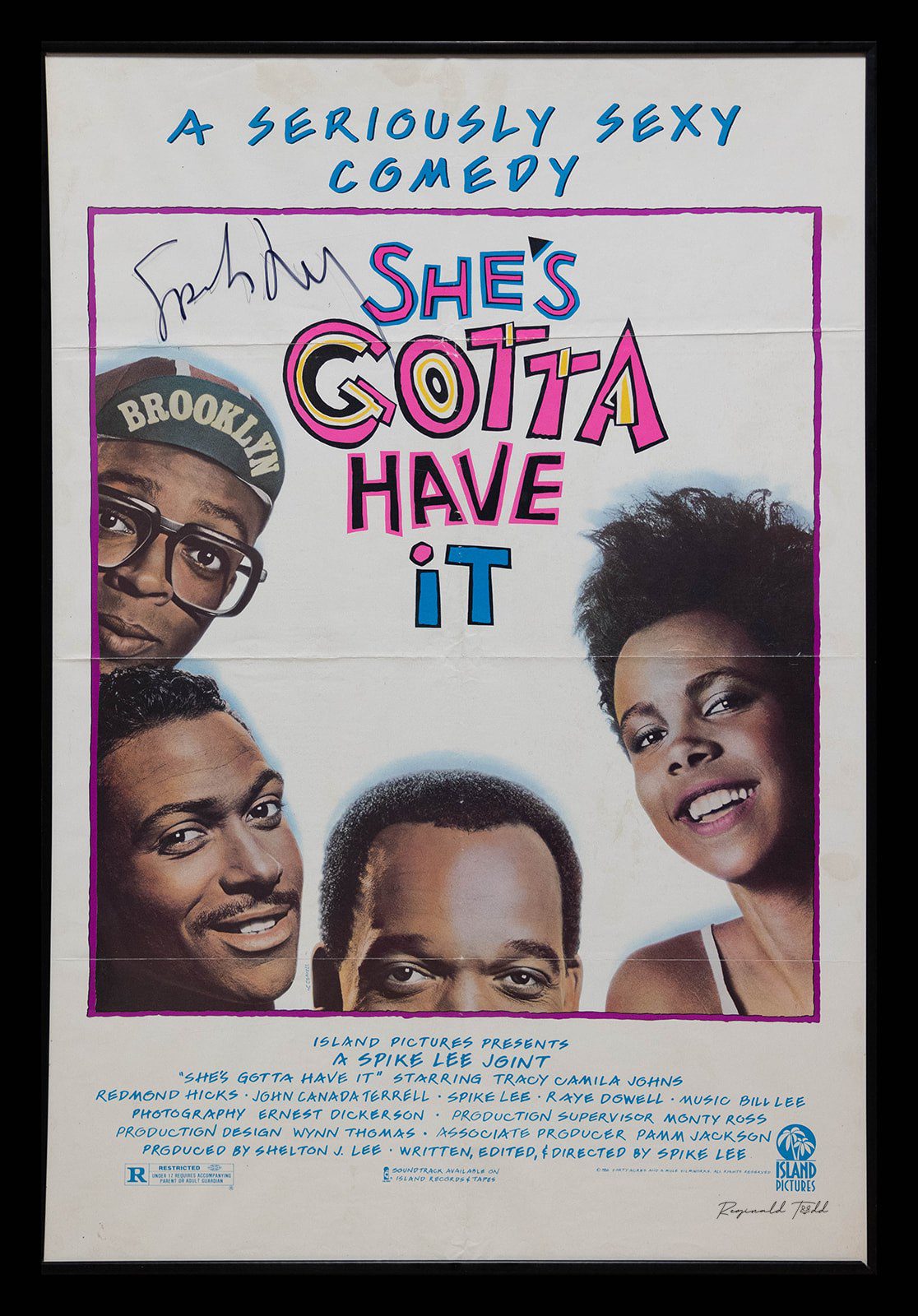
Lee’s refusal to dilute Black-centered storytelling has been one of the defining commitments of his career. His debut feature-film, She’s Gotta Have It, centered on Nola Darling, a young Black woman in Brooklyn navigating desire, autonomy, and relationships on her own terms. The film was both critically acclaimed and culturally disruptive for its frank treatment of Black sexuality, gender politics, and urban life. More than thirty years later, She’s Gotta Have It was reimagined as a Netflix series, underscoring the enduring relevance of Nola’s story and Lee’s continued influence on contemporary conversations about Black representation, authorship, and self-possession.
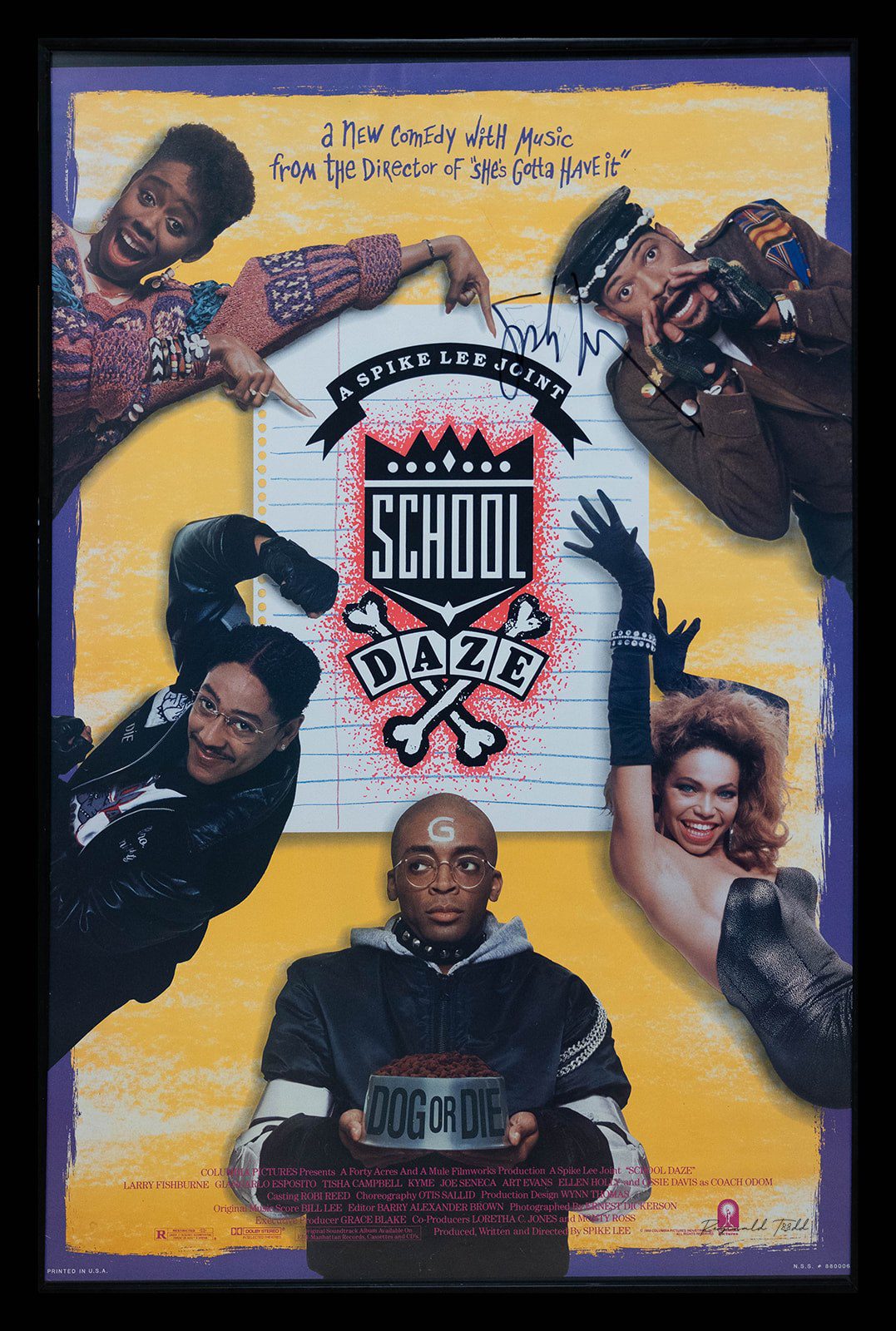
Films like School Daze and Do the Right Thing, challenged the entertainment industry’s assumptions about whose experiences counted as universal and whose truths were considered too controversial to tell plainly. His second feature, School Daze, confronted internal dynamics within Black communities, including colorism, class tension, fraternity culture, and intraracial conflict. While some critics accused Lee of airing the community’s “dirty laundry” before white mainstream audiences, the film insisted that Black stories did not have to be sanitized, simplified, or unified for public consumption.
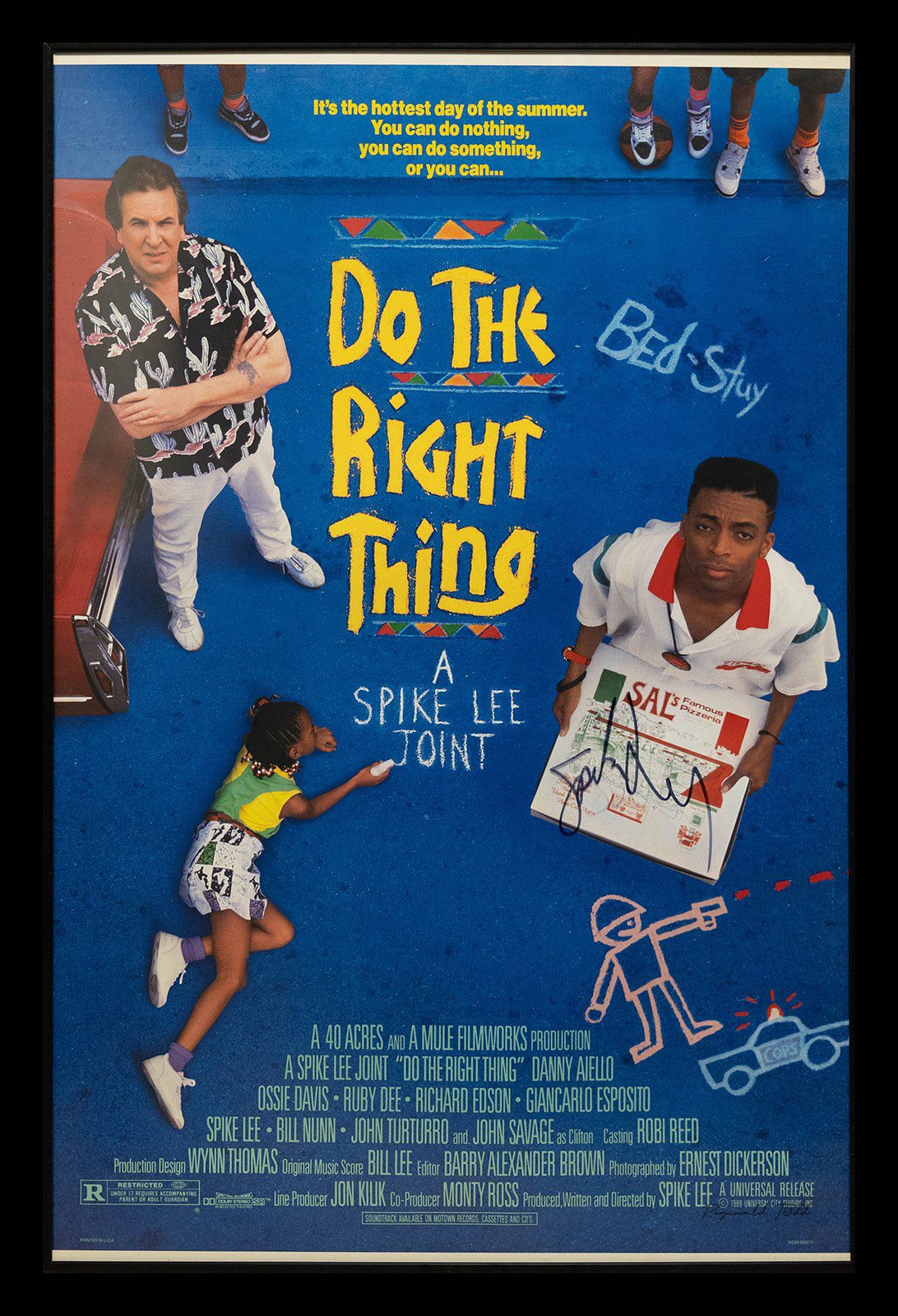
That commitment became even more visible with Do the Right Thing. Widely regarded as one of the most critically acclaimed films of 1989, the film forced audiences to confront racial violence, police brutality, neighborhood tension, and the volatility of American racism without offering easy resolution. Yet at the 62nd Academy Awards, Do the Right Thing was denied a Best Picture nomination, while the gentler, more conciliatory race film Driving Miss Daisy received the top honor. The contrast revealed the industry’s preference for Black stories that comforted white audiences over those that challenged them. Lee’s work refused that compromise, asserting that Black cinema could be formally inventive, politically confrontational, commercially visible, and accountable to the fullness of Black life.
Taken together, their stories reveal that Black cultural production has never been merely expressive or entertaining. It has also been a contested site of struggle, where questions of race, representation, religion, politics, and public responsibility are constantly negotiated. In each case, the stakes were profound: state surveillance, professional retaliation, public condemnation, commercial risk, or the loss of status and opportunity. Yet each figure remained committed to a vision of Black life that refused erasure, caricature, or moral compromise.
At its core, this exhibition invites viewers to reflect on the relationship between personal conviction and collective responsibility. By drawing connections between historical acts of courage and the demands of the present, Standing on Business encourages cultural workers and publics alike to consider what it means to remain accountable to one’s values, one’s people, and one’s sense of justice, even when doing so is costly.